.svg)
Size and fit remains one of fashion e-commerce’s most persistent challenges. Even for the world’s most recognised brands, shoppers still hesitate at checkout when they are unsure what size to buy. That uncertainty leads to abandoned carts, avoidable returns, and lost loyalty.
In a recent interview with Fibre2Fashion, Virtusize CEO Andreas Olausson shared how Virtusize is helping brands tackle this through clearer size guidance and fit visualisation directly on the product page, and how that impact is driving continued global growth.
50%+ growth in global brand partnerships
Virtusize grew its global brand partnerships by over 50% in 2025, working with brands including Ralph Lauren, Adidas, GAP, Levi’s, Under Armour, and Paul Smith. As Virtusize expands across markets, these partnerships continue to raise the bar for usability, performance, and data security, helping shape the evolution of the platform.
Why Virtusize is different
Unlike size tools that rely primarily on general purchase behaviour, Virtusize combines shopper body data and behaviour with product data and detailed garment measurements. This enables personalised recommendations that reflect what “fit” actually means to each shopper, whether they prefer a relaxed silhouette or a tailored look.
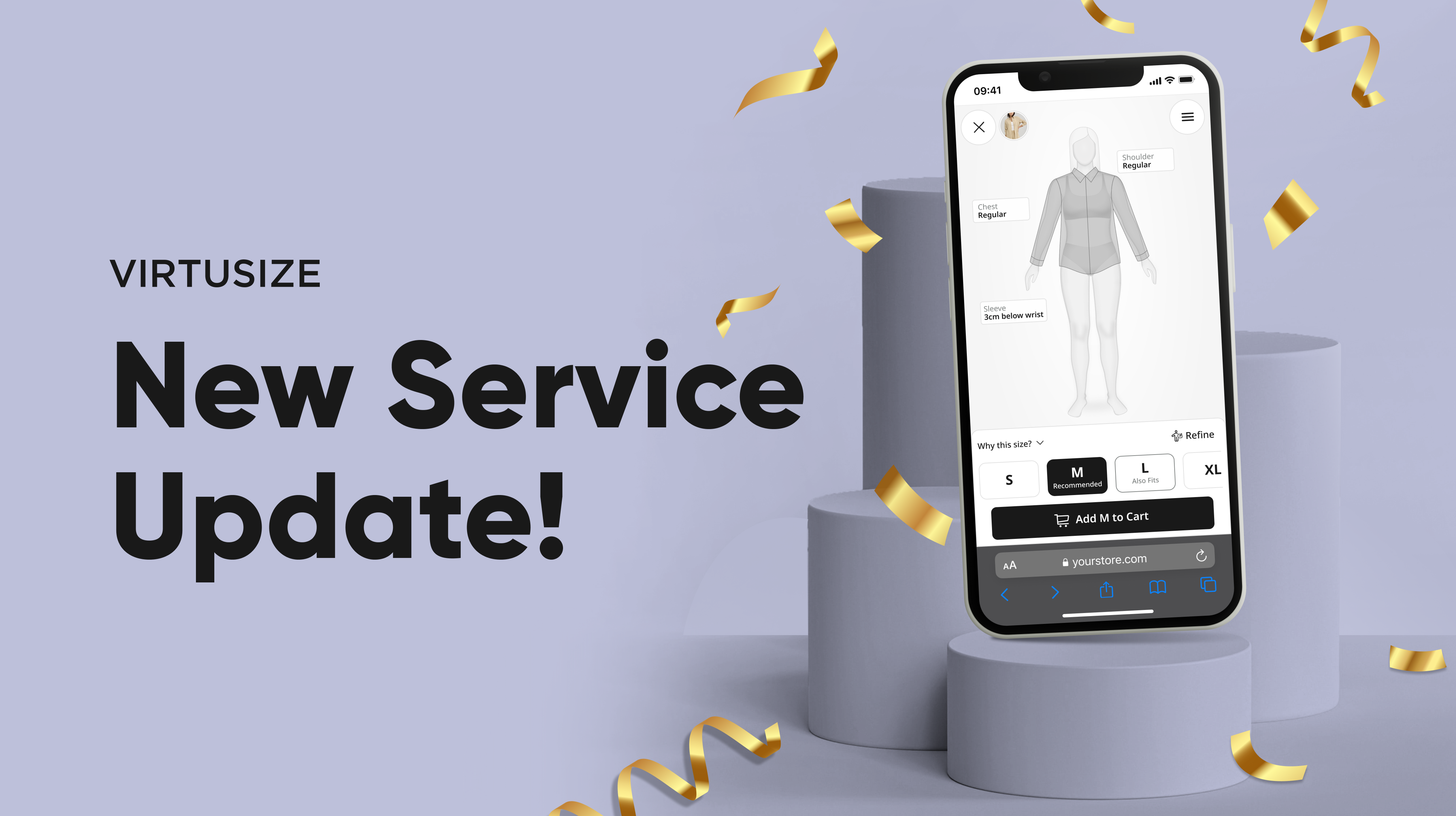
Virtusize also goes beyond a simple “you are a size M” output. Instead, shoppers can visualise how a garment will sit on their body before purchasing, bringing the online experience closer to how people shop in-store.
Measurable impact for brands
According to Andreas, brands using Virtusize typically see:
- Shopper spend increase by over 30%
- Return rates decrease by around 15% on average
This comes down to one thing: reducing uncertainty at the moment of decision. When shoppers feel confident in fit, they are more likely to buy, and more likely to buy again.
Scaling globally brings new challenges
Andreas also highlighted two major challenges of global expansion:
- Regional fit expectations: Sizing expectations vary significantly across markets. In countries like Japan and South Korea, shoppers expect detailed fit guidance as standard, while Western markets are increasingly catching up as return rates rise.
- Data privacy regulations: Scaling across Europe, the US, and Asia requires major investment in compliance and infrastructure to ensure Virtusize meets different regulatory requirements.
What’s next in 2026
Looking ahead, Virtusize is continuing to invest in new capabilities. Andreas shared that the company is preparing updates to the bag solution, helping shoppers better understand size and capacity with more visual product imaging, as well as improvements to its shoes offering in 2026.
Virtusize is also advancing its AI modelling through its latest patented model, Optimal Ease, designed to enable deeper personalisation using fit profiles, product characteristics, shopper behaviour, and preferences.
Read the full interview with Andreas Olausson on Fibre2Fashion below:
Size and fit remains one of fashion e-commerce’s most persistent challenges. Even for the world’s most recognised brands, shoppers still hesitate at checkout when they are unsure what size to buy. That uncertainty leads to abandoned carts, avoidable returns, and lost loyalty.
In a recent interview with Fibre2Fashion, Virtusize CEO Andreas Olausson shared how Virtusize is helping brands tackle this through clearer size guidance and fit visualisation directly on the product page, and how that impact is driving continued global growth.
50%+ growth in global brand partnerships
Virtusize grew its global brand partnerships by over 50% in 2025, working with brands including Ralph Lauren, Adidas, GAP, Levi’s, Under Armour, and Paul Smith. As Virtusize expands across markets, these partnerships continue to raise the bar for usability, performance, and data security, helping shape the evolution of the platform.
Why Virtusize is different
Unlike size tools that rely primarily on general purchase behaviour, Virtusize combines shopper body data and behaviour with product data and detailed garment measurements. This enables personalised recommendations that reflect what “fit” actually means to each shopper, whether they prefer a relaxed silhouette or a tailored look.
Virtusize also goes beyond a simple “you are a size M” output. Instead, shoppers can visualise how a garment will sit on their body before purchasing, bringing the online experience closer to how people shop in-store.
Measurable impact for brands
According to Andreas, brands using Virtusize typically see:
- Shopper spend increase by over 30%
- Return rates decrease by around 15% on average
This comes down to one thing: reducing uncertainty at the moment of decision. When shoppers feel confident in fit, they are more likely to buy, and more likely to buy again.
Scaling globally brings new challenges
Andreas also highlighted two major challenges of global expansion:
- Regional fit expectations: Sizing expectations vary significantly across markets. In countries like Japan and South Korea, shoppers expect detailed fit guidance as standard, while Western markets are increasingly catching up as return rates rise.
- Data privacy regulations: Scaling across Europe, the US, and Asia requires major investment in compliance and infrastructure to ensure Virtusize meets different regulatory requirements.
What’s next in 2026
Looking ahead, Virtusize is continuing to invest in new capabilities. Andreas shared that the company is preparing updates to the bag solution, helping shoppers better understand size and capacity with more visual product imaging, as well as improvements to its shoes offering in 2026.
Virtusize is also advancing its AI modelling through its latest patented model, Optimal Ease, designed to enable deeper personalisation using fit profiles, product characteristics, shopper behaviour, and preferences.
Read the full interview with Andreas Olausson on Fibre2Fashion below:
Size and fit remains one of fashion e-commerce’s most persistent challenges. Even for the world’s most recognised brands, shoppers still hesitate at checkout when they are unsure what size to buy. That uncertainty leads to abandoned carts, avoidable returns, and lost loyalty.
In a recent interview with Fibre2Fashion, Virtusize CEO Andreas Olausson shared how Virtusize is helping brands tackle this through clearer size guidance and fit visualisation directly on the product page, and how that impact is driving continued global growth.
50%+ growth in global brand partnerships
Virtusize grew its global brand partnerships by over 50% in 2025, working with brands including Ralph Lauren, Adidas, GAP, Levi’s, Under Armour, and Paul Smith. As Virtusize expands across markets, these partnerships continue to raise the bar for usability, performance, and data security, helping shape the evolution of the platform.
Why Virtusize is different
Unlike size tools that rely primarily on general purchase behaviour, Virtusize combines shopper body data and behaviour with product data and detailed garment measurements. This enables personalised recommendations that reflect what “fit” actually means to each shopper, whether they prefer a relaxed silhouette or a tailored look.
Virtusize also goes beyond a simple “you are a size M” output. Instead, shoppers can visualise how a garment will sit on their body before purchasing, bringing the online experience closer to how people shop in-store.
Measurable impact for brands
According to Andreas, brands using Virtusize typically see:
- Shopper spend increase by over 30%
- Return rates decrease by around 15% on average
This comes down to one thing: reducing uncertainty at the moment of decision. When shoppers feel confident in fit, they are more likely to buy, and more likely to buy again.
Scaling globally brings new challenges
Andreas also highlighted two major challenges of global expansion:
- Regional fit expectations: Sizing expectations vary significantly across markets. In countries like Japan and South Korea, shoppers expect detailed fit guidance as standard, while Western markets are increasingly catching up as return rates rise.
- Data privacy regulations: Scaling across Europe, the US, and Asia requires major investment in compliance and infrastructure to ensure Virtusize meets different regulatory requirements.
What’s next in 2026
Looking ahead, Virtusize is continuing to invest in new capabilities. Andreas shared that the company is preparing updates to the bag solution, helping shoppers better understand size and capacity with more visual product imaging, as well as improvements to its shoes offering in 2026.
Virtusize is also advancing its AI modelling through its latest patented model, Optimal Ease, designed to enable deeper personalisation using fit profiles, product characteristics, shopper behaviour, and preferences.
Read the full interview with Andreas Olausson on Fibre2Fashion below: